
The Power of Protein: Essential for Effective Weight Management and Muscle Health
Discover why protein is a cornerstone of successful weight management, helping you feel fuller, preserve muscle, and support your overall health. This post explores recommended protein intake for weight loss, its physical benefits, and its crucial role when taking medications like Mounjaro and Wegovy. Learn how to strategically incorporate protein into your diet for lasting results.
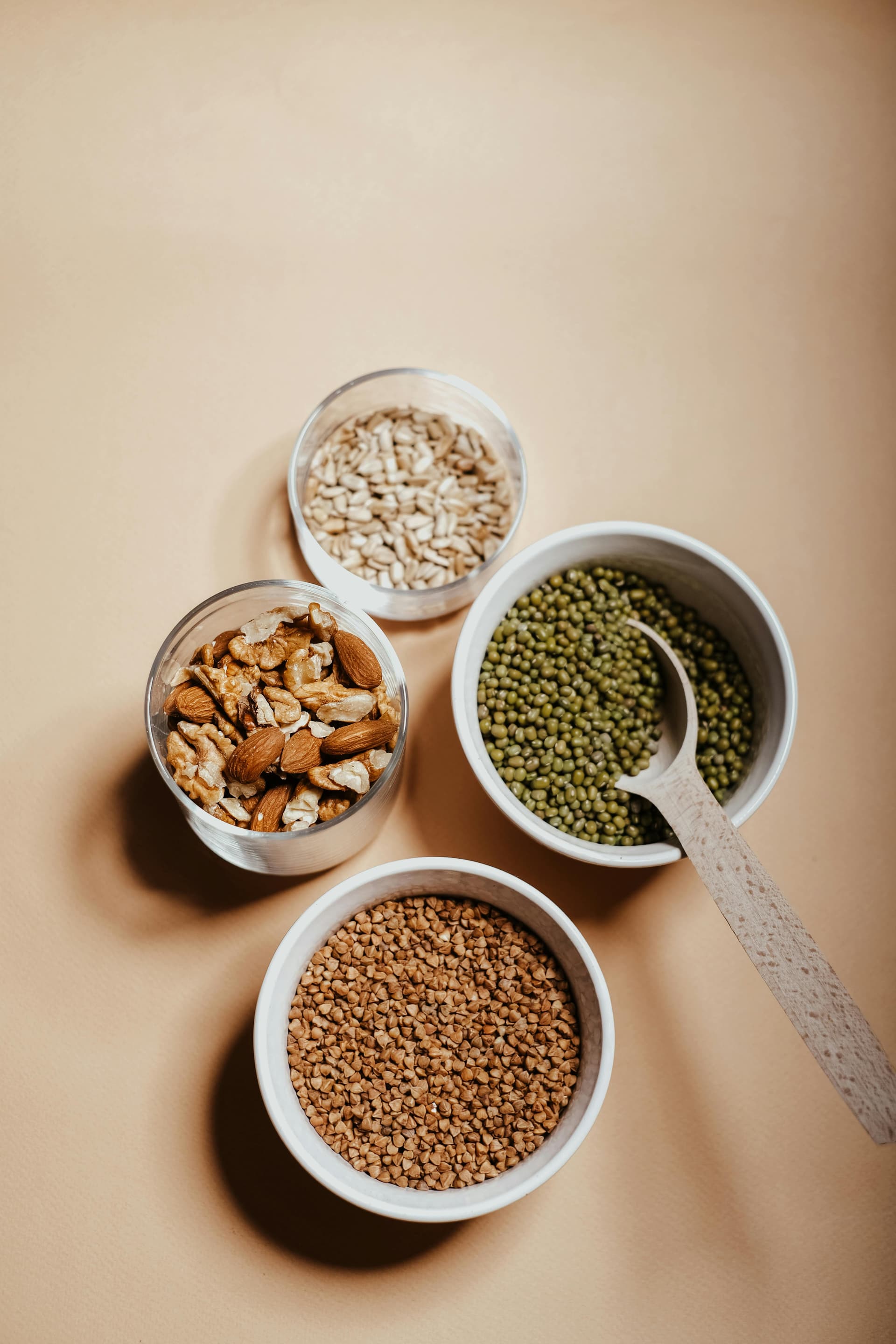
When it comes to effective weight management, many people focus on cutting calories or eliminating certain food groups. While these strategies can play a role, one macronutrient consistently stands out as a true game-changer: protein. More than just building muscles, protein is a powerful ally in your journey towards a healthier weight and sustained well-being. Let's delve into why protein is so vital.
Why Protein is Your Best Friend for Weight Management
Protein helps in several key ways when you're trying to lose weight and keep it off:
- Satiety and Reduced Cravings: Protein is the most satiating macronutrient. Eating protein-rich meals helps you feel fuller for longer, reducing the likelihood of overeating and snacking on unhealthy foods.
- Higher Thermic Effect of Food (TEF): Your body expends more energy digesting and metabolising protein compared to carbohydrates and fats. This means you burn more calories just by eating protein.
- Muscle Preservation: When you're in a calorie deficit to lose weight, your body can sometimes break down muscle mass for energy. Adequate protein intake helps to preserve precious lean muscle, which is metabolically active and helps burn more calories at rest.
- Blood Sugar Stability: Protein has minimal impact on blood sugar levels compared to carbohydrates. This stability can help prevent energy crashes and subsequent cravings for sugary foods.
How Much Protein Do You Need for Weight Loss and Muscle Maintenance?
While individual needs vary based on age, activity level, and overall health, general recommendations for those aiming for weight loss and muscle preservation are higher than standard dietary guidelines.
A common guideline is to consume between 1.6 to 2.2 grams of protein per kilogram of body weight per day. For instance, if you weigh 70 kg (approximately 154 lbs), this would translate to roughly 112 to 154 grams of protein daily. Spreading your protein intake throughout the day (e.g., 20-40 grams per meal) is generally more effective for muscle protein synthesis than consuming it all at once.
Always consult with a healthcare professional or registered dietitian to determine the best protein intake for your specific goals and health status.
Beyond Weight Loss: The Broad Physical Benefits of Protein
Protein's importance extends far beyond the weighing scales. It's a fundamental building block for almost every part of your body:
- Muscle Repair and Growth: Essential for repairing tissues after exercise and building new muscle.
- Bone Health: Plays a role in bone density and strength.
- Hormone and Enzyme Production: Critical for creating vital hormones and enzymes that regulate countless bodily functions.
- Immune Function: Antibodies, key components of your immune system, are proteins.
- Hair, Skin, and Nail Health: Keratin and collagen, essential for healthy hair, skin, and nails, are proteins.
Protein and GLP-1 Receptor Agonists: Mounjaro and Wegovy
Medications like Mounjaro and Wegovy (GLP-1 receptor agonists) have become significant tools for weight loss by impacting appetite and satiety. While highly effective, they can sometimes lead to a reduction in muscle mass alongside fat loss due to drastically reduced calorie intake and slower gastric emptying.
This is where protein becomes even more crucial. Consuming adequate protein while on these medications can help to:
- Preserve Lean Muscle: Counteract potential muscle loss, ensuring that the weight you're losing is primarily fat.
- Optimise Satiety: Enhance the appetite-suppressing effects of the medication, helping you feel satisfied with smaller portions.
- Support Nutrient Intake: Ensure you're getting essential amino acids even with a reduced overall food intake, supporting energy levels and overall bodily functions.
- Manage Side Effects: Some patients experience nausea or changes in appetite. Focusing on lean protein sources can sometimes be better tolerated and help maintain strength.
Incorporating More Protein into Your Diet
Making protein a priority doesn't have to be complicated. Here are some excellent sources:
- Animal Sources: Lean meats (chicken, turkey, lean beef), fish (salmon, cod, tuna), eggs, dairy (Greek yoghurt, cottage cheese, milk).
- Plant Sources: Legumes (lentils, beans, chickpeas), tofu, tempeh, edamame, quinoa, nuts, seeds, protein powders (whey, casein, soy, pea).
Try to include a protein source at every meal and snack. For example:
- Breakfast: Scrambled eggs, Greek yoghurt with berries, or a protein smoothie.
- Lunch/Dinner: Lean chicken breast, fish, tofu stir-fry, or lentil soup.
- Snacks: Cottage cheese, a handful of almonds, hard-boiled eggs, or a protein bar.
Conclusion
Protein is undeniably a cornerstone of successful weight management, offering benefits from enhanced satiety and metabolism to crucial muscle preservation. Its role becomes even more pronounced when using medications like Mounjaro or Wegovy, helping to ensure healthy and sustainable weight loss. By making conscious choices to include adequate protein in your diet, you're not just supporting your weight goals, but your overall health and vitality too.